
Travel Guide
South Korean border tourism pivots to DMZ security as North Korea cuts ties
Oct
The publish South Korean border tourism pivots to DMZ security as North Korea cuts ties appeared first on TD (Travel Daily Media) Travel Daily Media.

In an period outlined by swift diplomatic realignment throughout East Asia, the long-held imaginative and prescient of a unified Korean tourism market has encountered a definitive, structural finish.
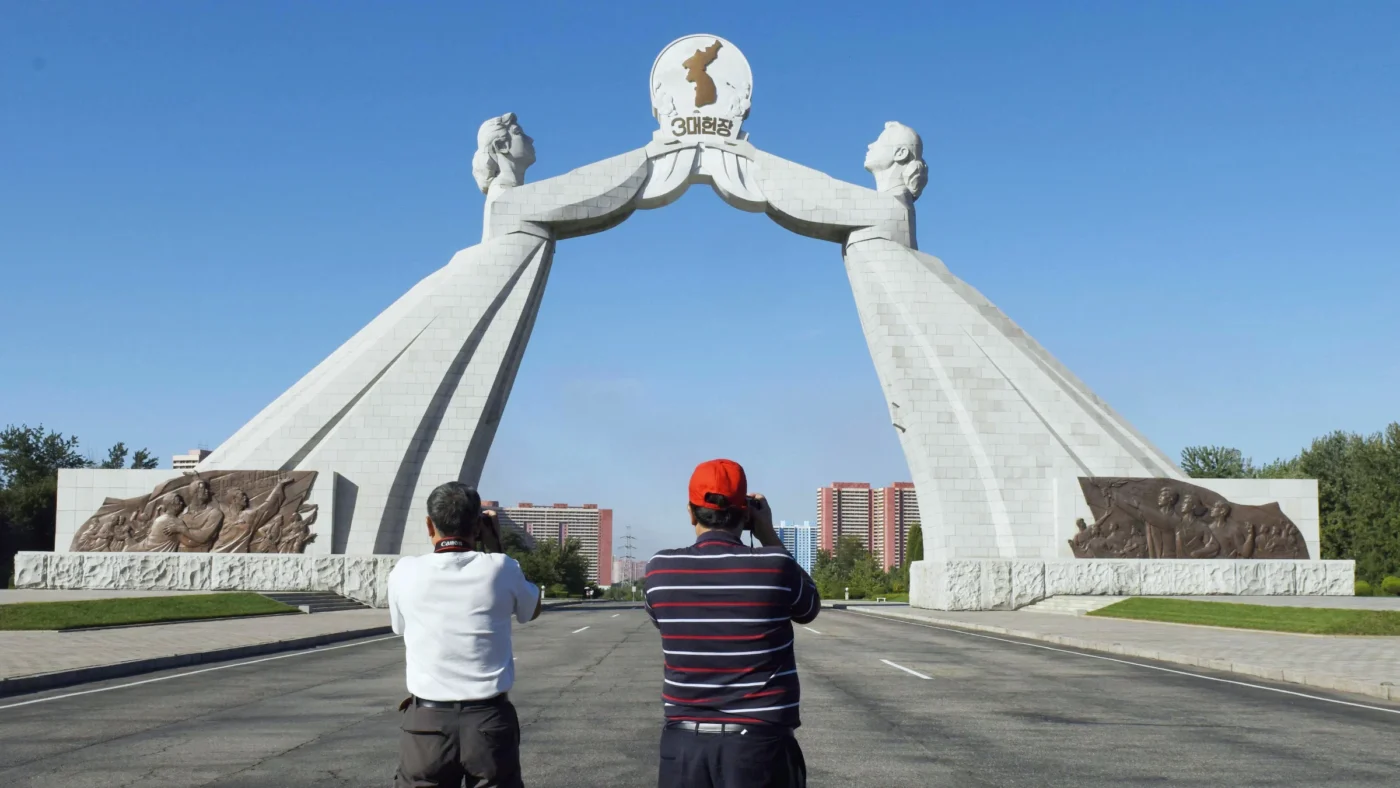
Recent constitutional shifts in Pyongyang have formally erased peaceable reunification as a state goal, leaving South Korea’s formidable cross-border infrastructure plans firmly on ice.
In early 2026, North Korea adopted constitutional amendments explicitly declaring South Korea a everlasting adversary.
References to nationwide unity had been systematically excised, codifying absolute separation; and this geopolitical flip presents a stark distinction to the persistent optimism lengthy maintained by policymakers in Seoul.
The street to nowhere
Despite frozen diplomatic channels, South Korea’s Ministry of Unification introduced plans in August 2026 to resume development on a essential border section of the Gyeongwon Line close to the Demilitarized Zone (DMZ).
The strategic objective stays clear: establishing a direct transport hall connecting Seoul to Wonsan, North Korea’s japanese coastal hub.
In tandem with rail developments, South Korean officers endorsed proposals linking the traditionally suspended Mount Kumgang resort with North Korea’s newly accomplished Wonsan-Kalma Coastal Tourist Area, a mega-complex constructed to accommodate 20,000 guests.
To navigate stringent United Nations Security Council restrictions, Seoul floated the idea of particular person, non-group itineraries.
Because tourism stays exterior specific worldwide sanctions, proponents argue particular person journey avoids the direct, high-volume money transfers prohibited beneath worldwide regulation.
However, the industrial actuality stays unyielding: Pyongyang spent current years systematically dismantling South Korean-owned property at Mount Kumgang while repeatedly rejecting engagement, rendering Seoul’s infrastructure overtures solely unilateral.
A needed shift to security tourism
With cross-border entry successfully blocked, South Korea’s journey sector has pivoted decisively towards home border security tourism.
Designated border zones alongside the DMZ are actually positioned as key academic hubs for worldwide arrivals and youthful home vacationers.
This shift acts as a vital secondary financial driver for regional border communities, sustaining cultural consciousness of the divide even as structural unification grows more and more inconceivable.
Simultaneously, home client sentiment inside South Korea displays this geopolitical detachment.
Among youthful demographics, particularly the MZ era, the prospect of reunification is extensively seen as an costly, impractical idea amid urgent financial realities, such as rising housing prices and employment aggressive pressures.
Consequently, home journey patterns are shifting towards premium leisure, wellness, and genuine regional heritage, together with luxurious hanok stays, fairly than nostalgic historic tourism.
While South Korea continues laying the bodily tracks, Pyongyang’s constitutional boundary ensures the grand imaginative and prescient of a seamless cross-border market stays completely frozen.
The publish South Korean border tourism pivots to DMZ security as North Korea cuts ties appeared first on Travel Daily Media.
Source link
